
- Joined
- Jun 18, 2022
- Messages
- 8,688
- Reaction score
- 6
- Points
- 38
1. Chest-Supported T-Bar Row
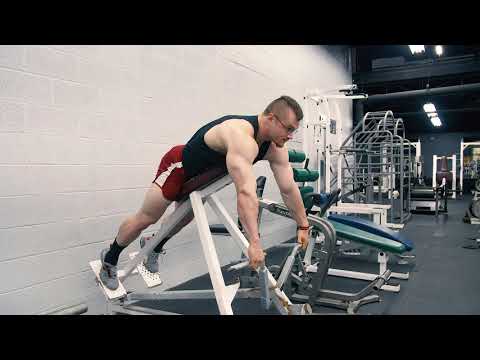
In the chest-supported T-bar row, the chestpad prevents you from using momentum to “cheat” the weight up, which forces your back muscles to do the majority of the work. Resting on a chestpad also means you don’t support the weight with your spine, making the chest-supported T-bar row an excellent T-bar row alternative for people training around a lower-back injury.
2. Cable Row
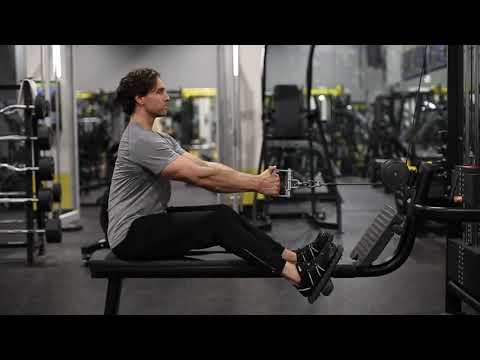
The main benefit of the cable row (sometimes referred to as the “seated T-bar row” or “cable T-bar row”) is that by using a cable, there’s constant tension on your back muscles throughout each rep. This taxes your back slightly differently from the regular T-bar row.
3. Barbell Corner Row
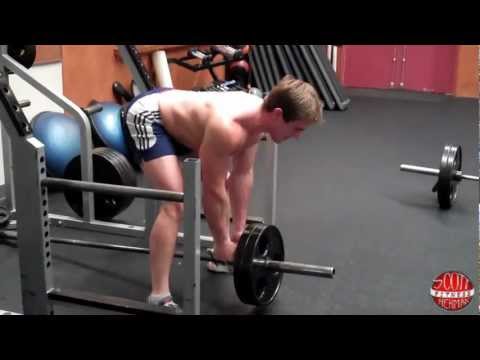
The only difference between the barbell corner row and T-bar row is that in the barbell corner row, you trap one end of a barbell in the corner of a room or squat rack instead of anchoring it in a T-bar row attachment. This makes the barbell corner row an excellent way to perform the T-bar row with a barbell when you don’t have access to a T-bar row machine (when training in a home gym, for example)
4. Single-Arm Landmine T-Bar Row
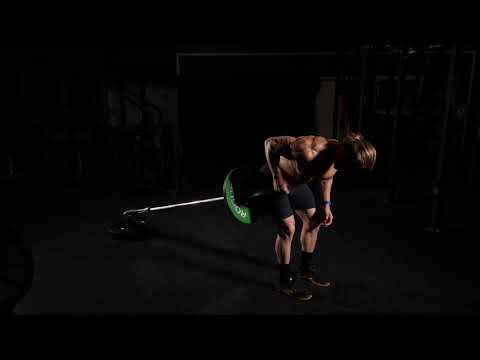
The single-arm landmine T-bar row (or “one-arm T-bar row”) places the weight behind your body. This changes the bar’s path as you lift the weight, which may emphasize your mid-back muscles (lats and mid traps) slightly more than your upper-back muscles (upper traps and rhomboids).
5. One-Arm Dumbbell Row
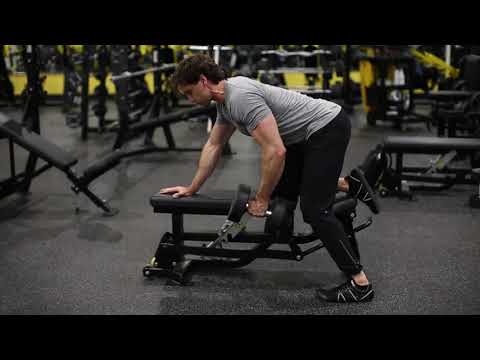
The one-arm dumbbell row is basically a T-bar row with dumbbells. This makes it an excellent variation for people who want to do the T-bar row at home, but have limited equipment and space.


