

- Joined
- Jun 18, 2022
- Messages
- 8,612
- Reaction score
- 6
- Points
- 38
Carb cycling is a time-tested strategy used by bodybuilders and physique competitors for both getting contest-shredded and staying lean while packing on off-season muscle.
Until recently, carb cycling had remained off the mainstream radar, reserved for articles and discussion forums found on bodybuilding websites frequented mainly by diehard physique enthusiasts.
However, scientists recently got wind of carb-cycling strategies and decided to put them to the test against two other popular dieting protocols. Here's how it stacked up and how you can put this research approved twist on carb cycling to work for you.
If you look at the above examples, none of the protocols are very low carb (with the possible exception of Tim Henriques' super strict days).
Also, you don't see a huge drop in calories with any of these protocols between the normal and lower carb days. That's where this new protocol comes into play.
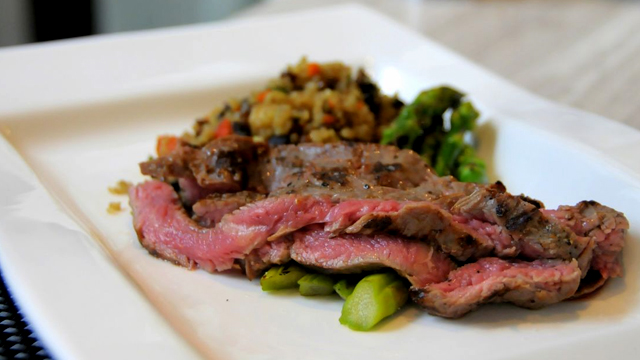
The recently presented Intermittent Low Carb Dieting (what we'd call carb cycling) protocol presented by Michelle Harvie, PhD at a conference in San Antonio combined a Mediterranean Zone-like diet with a low calorie ketogenic diet, the definitions of which follow:
The study (I estimated the macronutrient breakdown for the Normal carb days) was carried out on overweight women, but since "overweight woman" hardly describes the typical T Nation reader, we need to modify it to fit our needs. Hence:
If you hate low-carb dieting you're going to love this – the study included a third diet group that followed a traditional ketogenic diet. The carb cycling group lost just as much body fat as those following the ketogenic plan 7 days per week.
So you "go keto" two days a week, enjoy more carbs the rest of the week, and lose just as much fat.
Here's how you can put this into action.
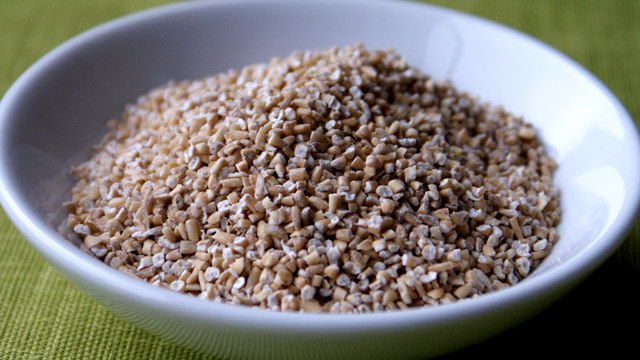
Check out some of the carb cycling variations listed earlier and find one that best suits your needs, or try the plan outlined here. Hey, studies show it works!
Until recently, carb cycling had remained off the mainstream radar, reserved for articles and discussion forums found on bodybuilding websites frequented mainly by diehard physique enthusiasts.
However, scientists recently got wind of carb-cycling strategies and decided to put them to the test against two other popular dieting protocols. Here's how it stacked up and how you can put this research approved twist on carb cycling to work for you.
Traditional Carb Cycling
Carb cycling has been written about in great detail here at T Nation. In my Carb Cycling for Idiots article I outlined the following approach:- No Starch: This is obvious, you just don't eat any starches. Your carbohydrate intake will be made up entirely of fruits and vegetables.
- Low Starch: You'll have starches during your workouts and in the first meal following your workout.
- Moderate Starch: You'll have workout starches and starches at your first two meals following your workout.
- High Starch: Breakfast starches, workout starches, and starches at your first two post workout meals.
Full Body Training Schedule
- Sunday: Off – No Starches
- Monday: Full body – High Starch
- Tuesday: Off – No Starches
- Wednesday: Full body – High Starch
- Thursday: Off – No Starches
- Friday: Full body – High Starch
- Super Strict: The carbs are most limited in this phase. You can have up to 50 grams a day, and the majority of those carbs must come from veggies; no traditional starch or sugar in this phase.
- Normal: This is the main phase of this plan. It's a lower carbohydrate, higher natural protein and fat diet. You can have up to 100 grams of carbs a day, most of which will come from veggies with a small amount of fruit and starch, but not from junk food.
- High Carb: On high-carb days, you're encouraged to consume a large amount of carbohydrates, generally in the 400-800 gram per day range. The purpose is to replenish the body's glycogen stores, stimulate an anabolic response through insulin release, and give the mind a break from the moderately restrictive normal phase of the diet.
- Rapid weight loss: Follow Super Strict for 3-14 days to promote significant weight loss, then move to Normal weight loss for maintenance.
- Normal weight loss: Combine 5-6 days of Normal with 1-2 days of High Carb. If losing weight too fast, add in a half to a full day of High Carb; if you're not losing weight fast enough, reduce High Carb by a half-day.
HIGH DAY
- Carbs: 2-3 grams per pound of body weight
- Protein: 1-1.25 grams per pound of body weight
- Fat: as little as possible
LOW AND MODERATE DAYS
- Carbs: 0.5-1.5 grams per pound of body weight
- Protein: 1.25-1.5 grams per pound of body weight
- Fat: 0.15-0.35 grams per pound of body weight
- High Carb Days: 330g protein, 344g carbs, 33g fat
- Moderate Days: 330g protein, 275g carbs, 33g fat
- Low(er) Carb Days: 330g protein, 206g carbs, 33g fat
If you look at the above examples, none of the protocols are very low carb (with the possible exception of Tim Henriques' super strict days).
Also, you don't see a huge drop in calories with any of these protocols between the normal and lower carb days. That's where this new protocol comes into play.
Intermittent Low Carb Dieting
The recently presented Intermittent Low Carb Dieting (what we'd call carb cycling) protocol presented by Michelle Harvie, PhD at a conference in San Antonio combined a Mediterranean Zone-like diet with a low calorie ketogenic diet, the definitions of which follow:
- Restricted Low Carbohydrate Day (Low Carb day): 650 kcal, <50 grams carbs/day
- Restricted Mediterranean Diet (Normal Carb day): 1500 kcal/day, 40/30/30 (carbs/protein/fat)
The study (I estimated the macronutrient breakdown for the Normal carb days) was carried out on overweight women, but since "overweight woman" hardly describes the typical T Nation reader, we need to modify it to fit our needs. Hence:
- Normal Carb day: 2000-2500 kcal (depending on body size), 40/30/30 macronutrient breakdown
- Low Carb day: 1000/1250 kcal (half the calories you'd have on normal days), <50 grams of carbs per day
If you hate low-carb dieting you're going to love this – the study included a third diet group that followed a traditional ketogenic diet. The carb cycling group lost just as much body fat as those following the ketogenic plan 7 days per week.
So you "go keto" two days a week, enjoy more carbs the rest of the week, and lose just as much fat.
Here's how you can put this into action.
TRAINING SPLIT – FULL BODY TRAINING 3 WORKOUTS/WEEK
- Monday: Total Body, Normal Carb
- Tuesday: Off, Low Carb
- Wednesday: Total Body, Normal Carb
- Thursday: Off, Low Carb
- Friday: Total Body, Normal Carb
- Saturday & Sunday: Off, Normal Carb
TRAINING SPLIT – UPPER/LOWER TRAINING 4 WORKOUTS/WEEK
- Monday: Upper Body, Normal Carb
- Tuesday: Lower Body, Normal Carb
- Wednesday: Off, Low Carb
- Thursday: Upper Body, Normal Carb
- Friday: Lower Body, Normal Carb
- Saturday: Off, Normal Carb
- Sunday: Off, Low Carb
Sample Diet – Normal Carb
MEAL 1
- 1/3-cup steel cut oats (with 2/3-1 cup water)
- 2 scoops Metabolic Drive® Protein vanilla
- 1/2 cup blueberries
MEAL 2
- 1 scoop Metabolic Drive® Protein chocolate
- 1 cup frozen pitted unsweetened cherries
- 2 tbsp natural peanut butter
- 2-3 cups water
- 3-4 ice cubes
MEAL 3
- 2 boneless chicken thighs
- 1 onion, diced
- 1 pepper, diced
- 1 cup black beans
- 2 tsp extra virgin olive oil
MEAL 4 - WORKOUT
- 2 scoops Mag-10®
MEAL 5
- 8 oz flank steak
- 1/3-cup quinoa, dry measure (+ 2/3-cup water to cook)
- 1 Tbsp extra virgin olive oil
- 1 cup green beans
Sample Diet – Low Carb
- (Add 5 grams of Leucine Structured Peptides 2x during the day, between meals)
MEAL 1
- 4 omega-3 eggs
- 2 cups baby spinach
MEAL 2
- 1 oz cheddar cheese
MEAL 3
- 8 oz grass fed strip steak
- 10 stalks asparagus
MEAL 4
- 6 oz salmon
- 2 cups broccoli florets
Get Cycling!
Carb cycling works – bodybuilders figured that out a long time ago – but it's always a hoot when the starchy collar academics finally validate something we've all been doing for years.Check out some of the carb cycling variations listed earlier and find one that best suits your needs, or try the plan outlined here. Hey, studies show it works!

